😱 Scientists FINALLY Found Jesus’ Tomb That Was Sealed For Thousands Of Years! 😱

Scientists Uncover Jesus’ Tomb: A Journey Through History, Faith, and Discovery
For millennia, the final resting place of Jesus Christ has been a subject of profound reverence and intense debate.
Now, after exhaustive research and recent scientific breakthroughs, evidence has emerged that many believe confirms the location of Jesus’ tomb beneath the Church of the Holy Sepulchre in central Jerusalem.
This ancient tomb, nestled within a limestone cave, was first identified during the reign of Emperor Constantine in the early fourth century AD.
According to tradition, Constantine’s mother, Helena, led a mission to locate and preserve the sacred site, which had been concealed beneath a Roman temple dedicated to Venus.
The temple was dismantled, revealing the tomb carved from natural rock.

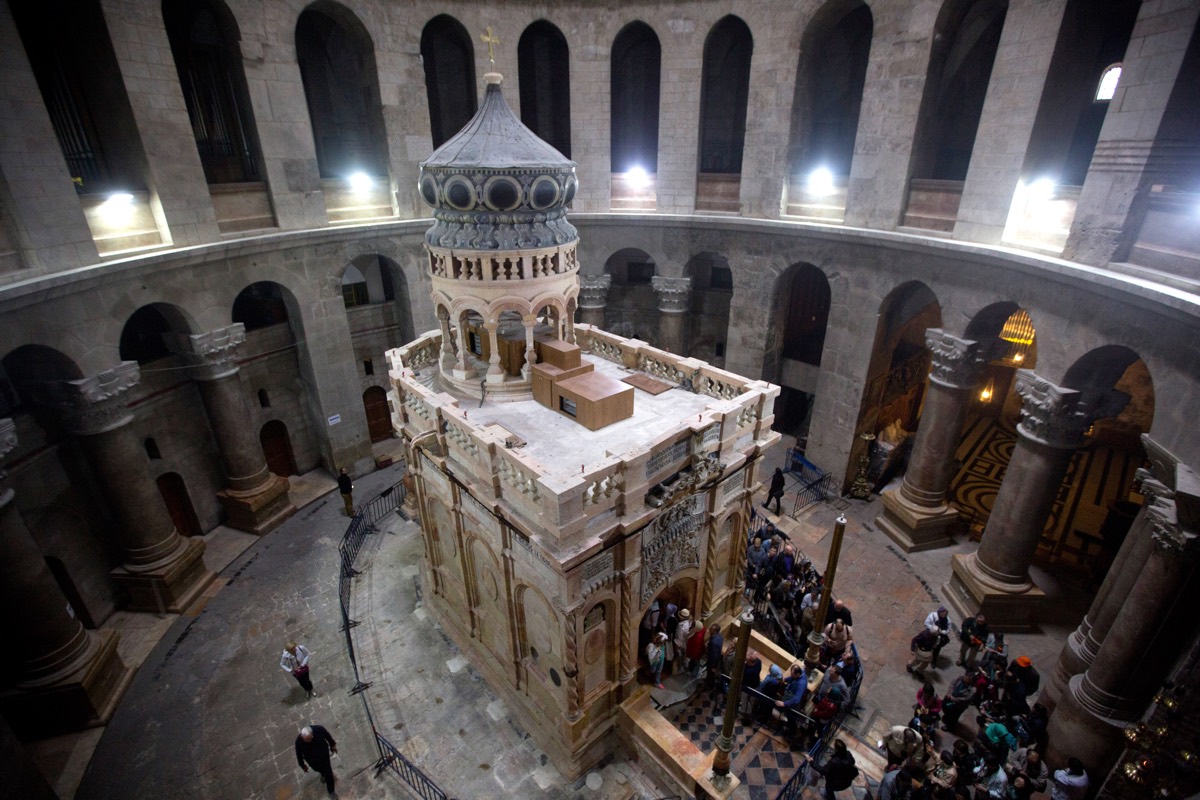
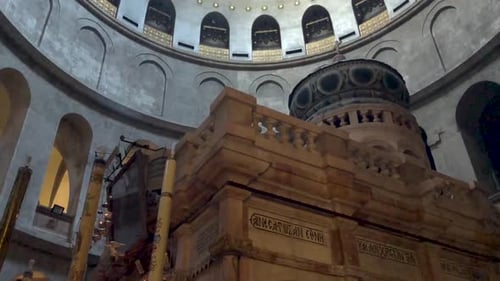
To protect this hallowed space, the Edicule—a small shrine—was constructed around it, embodying centuries of devotion.
Recent restoration efforts on the Edicule uncovered a sealed chamber inside the tomb that had remained hidden since at least the 16th century.
Although no human remains were found within, the discovery underscored the layered history of the site and its enduring significance.
Most strikingly, mortar samples taken from the Edicule’s lower slab were dated using optically stimulated luminescence (OSL) to the mid-fourth century, aligning with Constantine’s era.
This scientific confirmation bolsters the historical narrative linking the tomb to early Christian pilgrimage and veneration.
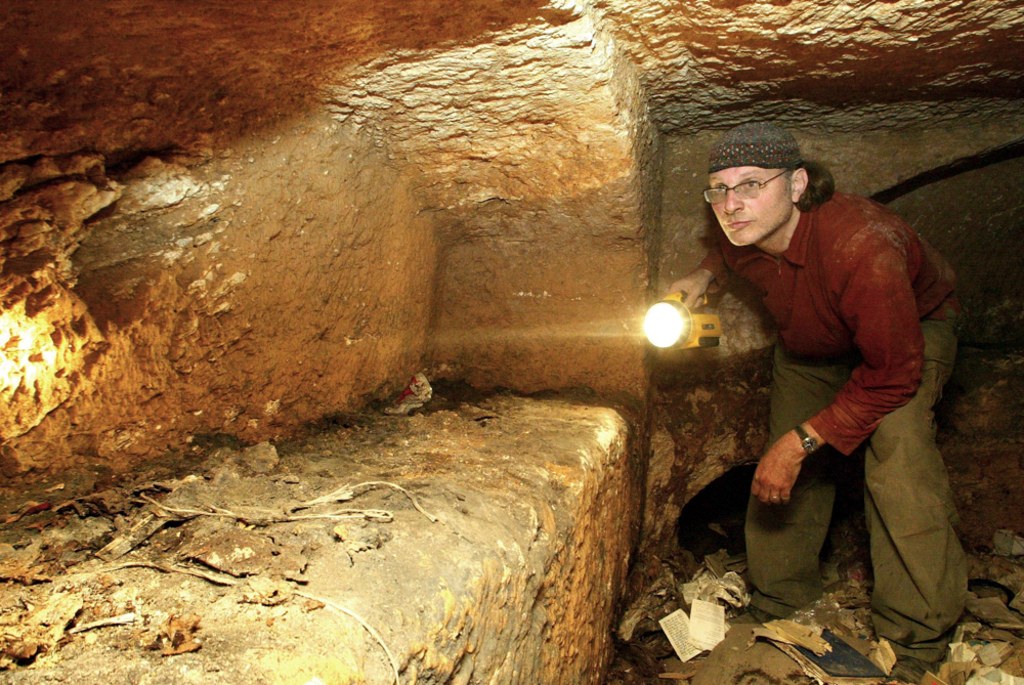
The tomb’s architectural features, including a carved burial shelf, align with burial customs of affluent first-century Jews in Jerusalem, further supporting its authenticity.
Marble cladding added centuries later reflects ongoing reverence and the complex restoration history of the site.
However, the Church of the Holy Sepulchre is not the only candidate for Jesus’ burial.
The Talpiot Family Tomb, discovered in 1980 just south of Jerusalem, gained notoriety through documentaries suggesting it could be Jesus’ family tomb.
Ossuaries bearing names like Jesus, Mary, and Joseph have sparked heated scholarly debate.
DNA tests and chemical analyses have fueled speculation, but critics highlight the commonality of these names and question the tomb’s Galilean origins, leaving the theory far from conclusive.
Other sites, such as the Garden Tomb and the Tomb of the Shroud, offer alternative locations steeped in tradition but lack strong archaeological support.
The Garden Tomb, popular among some evangelical Christians for its serene setting, dates back to the Iron Age and does not fit the timeline of Jesus’ burial.
The Tomb of the Shroud, linked by some to Joseph of Arimathea, remains a subject of ongoing research but without definitive evidence.
Jerusalem’s sacred landscape also includes sites like the Dominus Flevit Church on the Mount of Olives and tombs traditionally ᴀssociated with the Virgin Mary and Joseph of Arimathea, enriching the tapestry of faith and history surrounding Jesus’ final days.
The quest to identify Jesus’ true tomb intertwines faith, history, and science.
Each discovery invites deeper reflection on the narratives that have shaped Christianity for centuries.
The Church of the Holy Sepulchre stands as a testament to resilience, devotion, and the enduring human desire to connect with the divine.
As restoration and research continue, the mysteries of Jesus’ burial site remind us that history is a living dialogue—one that bridges past and present, belief and inquiry.
Whether pilgrims, scholars, or curious seekers, the journey toward understanding this sacred place remains as compelling as ever.
✓ admin
Scientists Uncover Jesus’ Tomb: A Journey Through History, Faith, and Discovery For millennia, the final resting place of Jesus Christ has been a subject of profound reverence…