😱 JRE: Scientists Found a 2000-Year-Old Letter From Jesus, Its Message Shocked Everyone 😱

The 2,000-Year-Old Letter Attributed to Jesus: A Whisper Through Time That Shattered Expectations
In a remote cave near Mount Arbel, northern Israel, archaeologists stumbled upon a scroll unlike any other.
Wrapped meticulously in cloth and sealed with resinous wax, this fragile parchment defied the ravages of two millennia.
Unlike the famed ᴅᴇᴀᴅ Sea Scrolls, this document was written not in Greek or Latin, but in Aramaic—the everyday language spoken by common folk in Judea during the first century.
Its discovery would soon challenge centuries of ᴀssumptions about one of history’s most enigmatic figures: Jesus of Nazareth.
Upon careful translation, the letter revealed a startling detail: it appeared addressed to “Yakov,” or James the Just, widely believed to be Jesus’s brother.

Even more astonishing was the voice behind the words.
Linguistic analysis, style, and historical context suggested the author might be Jesus himself.
This possibility upended the traditional understanding that Jesus never wrote anything down, with all his teachings preserved only through his disciples’ later writings.
But the letter’s content was what truly stunned scholars.
It was not a sermon, prophecy, or call to arms.
Instead, it was a quiet confession—a deeply human and vulnerable message from one brother to another.
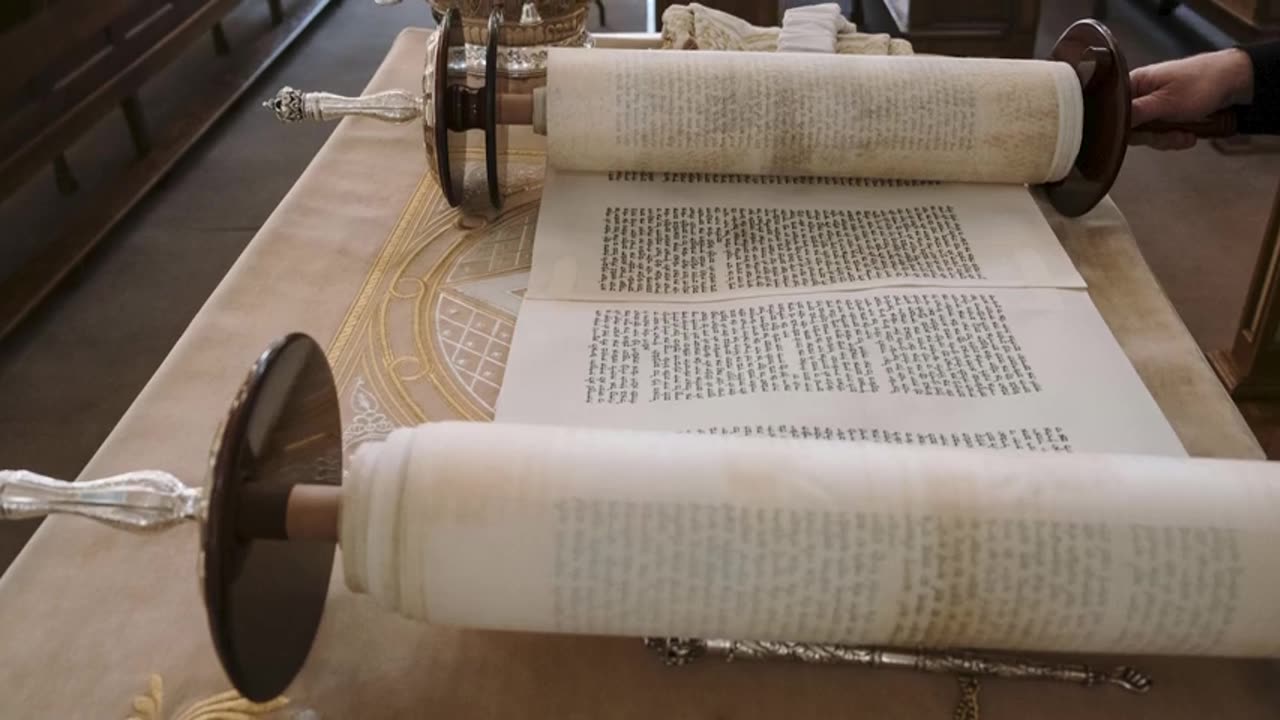
Opening with poetic lines such as “Let what is loud grow still, and let what is seen be known for what it hides,” the letter conveyed a tone of reflection, intimacy, and emotional weight rarely seen in ancient religious texts.
Gone were the miracles, the fiery proclamations, or divine authority.
Instead, the letter spoke of burdens carried quietly and truths too heavy for many to bear.
One poignant line read, “The truth must be carried, and not all hands are made for its weight.”
Another lamented how people “see only the fire, but not the hand that lit it,” expressing a fear that Jesus’s teachings would be repeated without true understanding, even misused.
The letter’s most compᴀssionate pᴀssage implored forgiveness for those who “use my name too quickly,” describing them not as thieves but as hungry souls seeking meaning.

This tenderness, so rare in religious writings, painted a picture of Jesus not as an untouchable deity but as a man aware of his message’s fragility and the human yearning behind it.
Why was such a personal letter sealed away in a hidden cave?
Experts suggest it was deliberately concealed—entombed rather than merely preserved—perhaps to protect its fragile honesty from misinterpretation or suppression.
Some speculate James himself might have hidden it, fearing its delicate nature could be misunderstood or distorted amidst early Christian turmoil.
The timing of the letter’s emergence feels uncanny.
In an era rife with spiritual confusion and division, this quiet voice from the past resurfaces, urging patience, understanding, and compᴀssion.
Cultural historian Dr. Leora Saffron remarked, “We’re not saying it was meant to be found now. But it resonates now in ways that are hard to ignore.”
The revelation sparked intense discussion when featured on the Joe Rogan Experience podcast.
Known for his open-minded curiosity, Rogan was visibly moved by the possibility that this might be a letter actually written by Jesus.
He described it as “kind of like reading someone’s journal” — a private, unguarded moment frozen in time.
Rather than sensationalizing the discovery, Rogan’s thoughtful engagement invited listeners to wonder: What else might have been lost?

How might this intimate glimpse reshape our understanding of faith and history?
The conversation transcended doctrine, focusing instead on the universal human longing to connect with authentic truth.
This letter, if genuine, challenges the traditional image of Jesus as solely a public figure of divine authority.
Instead, it reveals the quiet brother, the man wrestling with the weight of his message, aware that his words might be misunderstood or misused, yet still hopeful for understanding.
One line encapsulates this haunting vulnerability: “The light will seem to leave you, but it is not gone. It waits, patient, beyond the turning.”

It’s not a sermon—it’s a whisper to hold on through darkness.
Whether a historical artifact or a profound symbol, this letter invites us to listen differently—to hear not just the thunderous voice of prophecy but the soft, human heartbeat beneath.
It reminds us that faith is not only about grand declarations but also about the quiet, patient endurance of truth carried in the heart.
As the scroll’s words echo through time, they ask a timeless question: If Jesus did write just one thing, what would he want us to know?
Perhaps, in this fragile letter sealed in wax, we find an answer not of certainty, but of compᴀssionate humanity—waiting patiently to be heard.
✓ admin
The 2,000-Year-Old Letter Attributed to Jesus: A Whisper Through Time That Shattered Expectations In a remote cave near Mount Arbel, northern Israel, archaeologists stumbled upon a scroll…