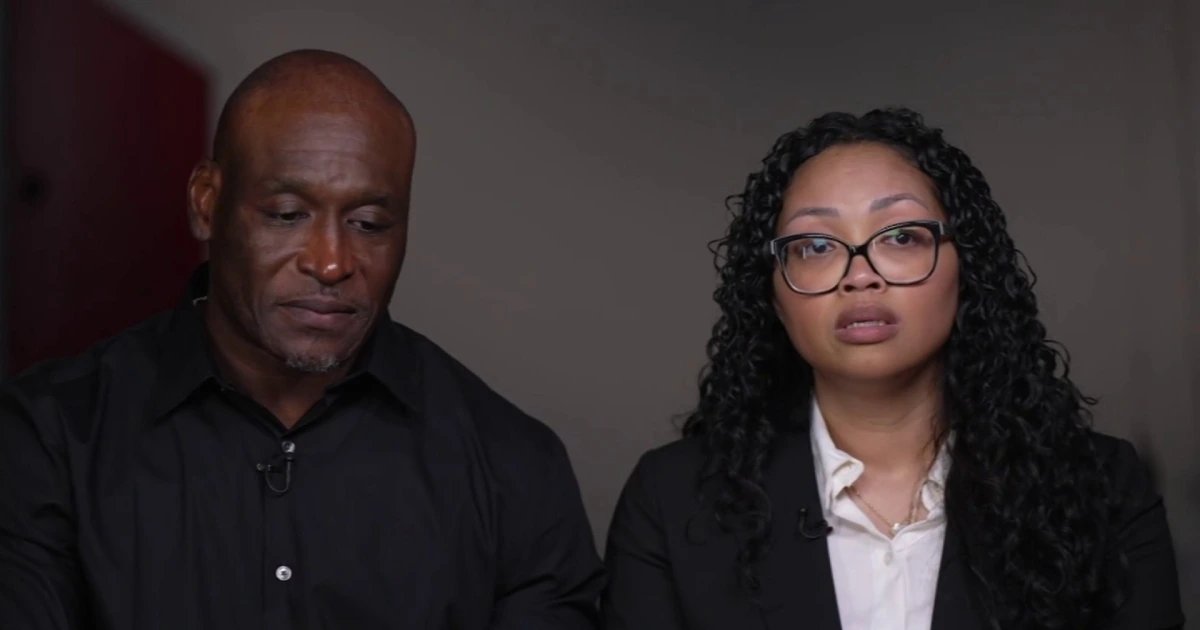
For weeks, Christine Wonsley had spoken publicly about grief, unanswered questions, and her determination to understand what happened to her son, Nolan Wells.
But in this scenario, nothing prepared followers for the moment she and her husband appeared together and announced that they had finally made a decision they had been struggling with behind closed doors.
The livestream began quietly.
There was no dramatic music. No elaborate introduction. No attorney seated beside them.
Christine sat close to her husband, her hands folded тιԍнтly in her lap as comments poured across the screen.
Thousands of people were already watching.
Some expected a routine family update.
Others believed Christine might address the rumors that had continued circulating online.
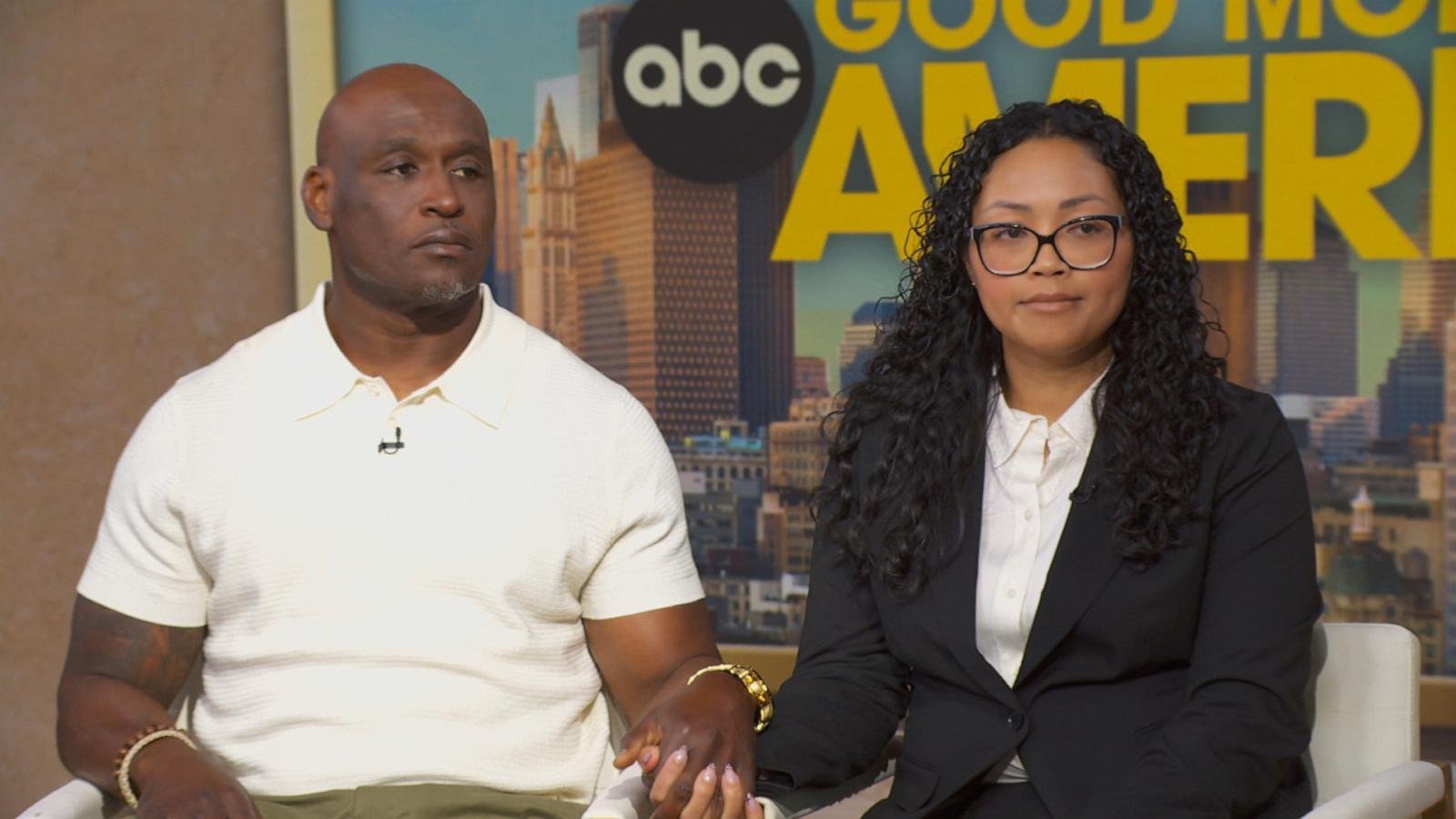
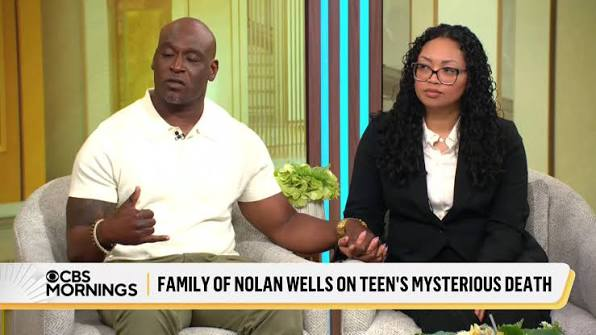
Instead, she reached for her husband’s hand.
Then she looked directly into the camera.
“We’ve been waiting for the right time,” she said in this telling, her voice trembling slightly.
“And that time is now.”
Her husband looked toward her but said nothing at first.
For several seconds, neither of them spoke.
The silence was enough to stop the flood of comments.
Then came the announcement.
In this dramatized version of events, Christine revealed that the family had decided to authorize a full independent forensic review of Nolan’s digital records, including his cellphone, account history, location information and other available data.
But that was only the beginning.
The family said that while organizing Nolan’s digital information, they became aware of something they had not previously understood: a small period in the timeline surrounding his final day appeared to contain activity that they believed deserved closer examination.
Christine did not accuse anyone.
She did not claim that the discovery proved foul play.
Instead, she repeatedly emphasized that the family wanted trained investigators and forensic specialists — not social-media users — to determine what the information meant.
“We don’t want theories,” she said in the version. “We don’t want people destroying lives based on guesses.
We want the truth, whatever the truth is.”
It was a striking statement.
For weeks, online discussion surrounding Nolan’s death had been dominated by competing theories, reconstructed timelines, alleged witness accounts and speculation about his cellphone.
But here, in this imagined announcement, Christine was asking people to stop looking for a villain before the evidence had been fully examined.
Then her husband revealed the detail that immediately changed the mood of the livestream.
The family, he explained in this account, had learned that there appeared to be an unexplained gap between two pieces of digital activity ᴀssociated with Nolan’s final hours.
He refused to give a precise interpretation.
He would not say whether the gap involved messaging, location tracking, an application, or something else.
That was deliberate.
“We are not going to tell the internet what to believe,” he said.
“We are going to give the information to people who know how to examine it.”
The reaction was immediate.
Comments began moving so quickly they became almost impossible to read.
“WHAT GAP?”
“Was Nolan using his phone?”
“Does this change the timeline?”
“Who was with him during that time?”
But Christine did not answer.
Instead, she lowered her head.
And for the first time during the broadcast, she began to cry.
She explained that every new piece of information had become emotionally unbearable because every timestamp, pH๏τograph and conversation represented another fragment of her son’s final day.
For outsiders, she said, it might look like a puzzle.
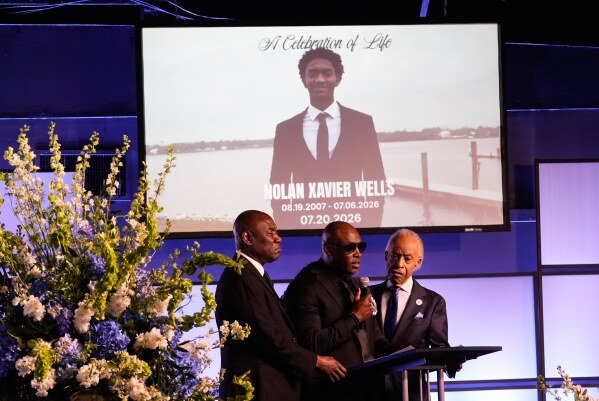
For her, it was Nolan.
It was his voice.
His habits.
His friends.
His final plans.
His final hours.
That distinction transformed the tone of the broadcast.
The conversation stopped feeling like another internet mystery.
It became a mother trying to understand the last chapter of her child’s life.
Christine’s husband placed his hand over hers.
Then he delivered what became the most emotionally powerful moment of the announcement.
“There are things we wish we had handled differently,” he said. “There are things we didn’t understand at the beginning.
We were grieving. We were confused. We were trying to process something no parent should ever have to process.”
Christine nodded.
She then addressed the controversy surrounding Nolan’s cellphone.
Earlier discussion had focused heavily on the absence of pH๏τographs and videos from the day of his disappearance.
That absence had fueled speculation that material might have been deleted, although Christine later acknowledged that she did not actually know whether anything had been removed.
She now said the family wanted forensic experts to answer that question once and for all.
“If nothing was deleted, we need to know that,” she said.
“If something can be recovered, we need to know that too. We cannot keep living inside the word ‘maybe.’”
That sentence struck a nerve.
Because “maybe” had become the defining word surrounding the case.
Maybe Nolan recorded something.
Maybe he did not.
Maybe certain events occurred earlier than people believed.
Maybe the timeline had been misunderstood.
Maybe social media had taken fragments of information and transformed them into conclusions that the evidence could not support.
Christine’s announcement, at least within this version, represented an attempt to move beyond that uncertainty.
Then came one final revelation.
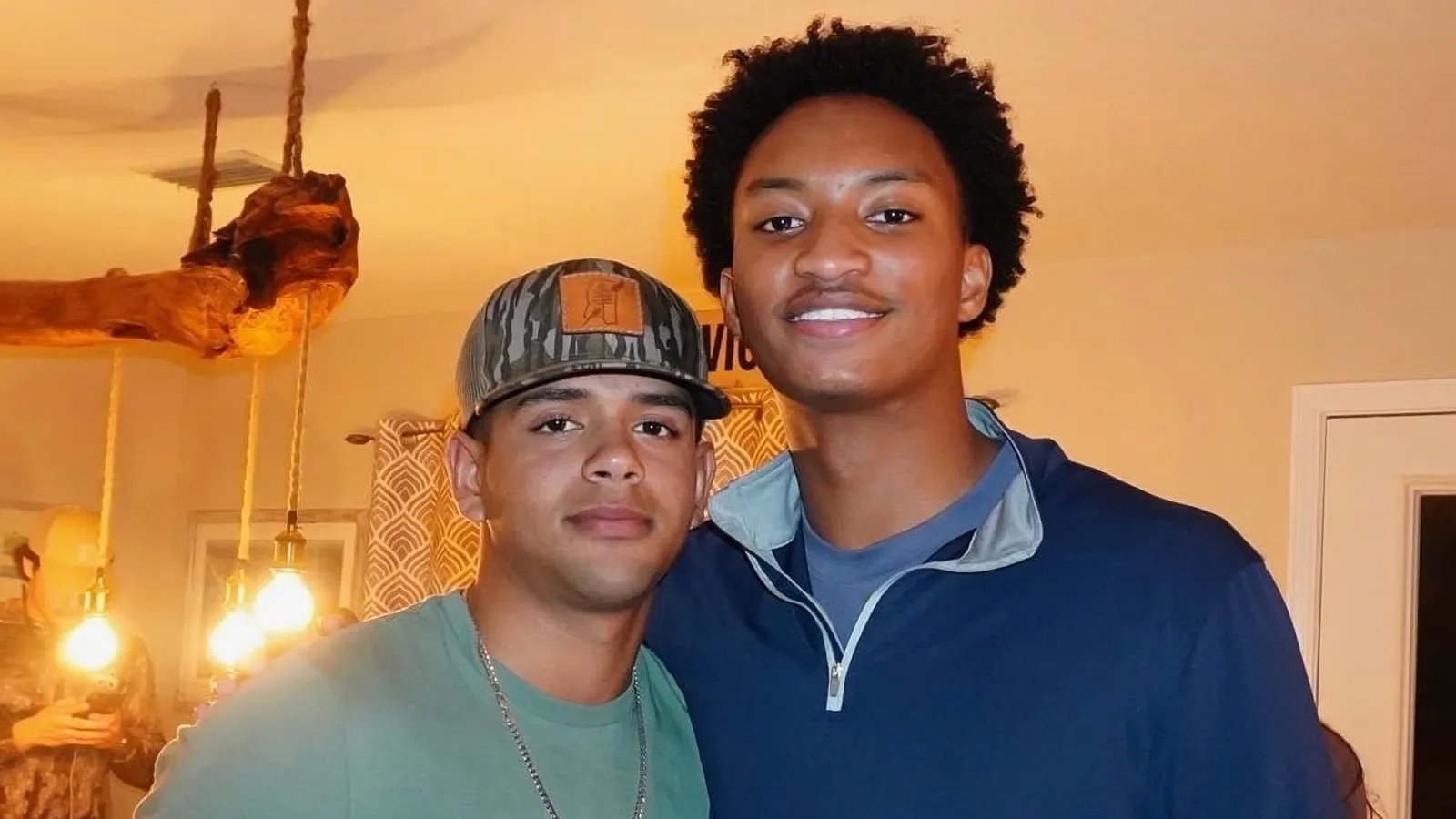
The family said they planned to request that any verified forensic findings considered relevant to Nolan’s death be shared with investigators through the proper legal channels.
They also asked anyone possessing original pH๏τographs, videos or communications from Nolan’s final day not to edit, crop or alter them before providing them to authorities.
That request immediately sparked another wave of discussion.
Were there additional recordings?
Had the family learned about evidence the public had never seen?
Was someone still holding information?
Christine refused to speculate.
“There may be nothing new,” she cautioned. “People need to understand that.
This review may confirm exactly what investigators already know.”
That qualification was crucial.
Because the family’s announcement did not reveal a secret confession.
It did not identify a suspect.
It did not establish that Nolan had been killed by another person.
Instead, the “bombshell” was something quieter — and potentially more significant.
The family was finally asking for every available digital trace to be examined together.
Not through TikTok clips.
Not through Facebook theories.
Not through anonymous accusations.
But through evidence.
As the livestream approached its end, Christine stared into the camera one final time.
She looked exhausted.
But there was also a noticeable change in her expression.
Determination had replaced hesitation.
“I cannot bring my son home,” she said.
“But I can make sure every question that can be answered is answered.”
Her husband squeezed her hand.
The stream ended seconds later.
No dramatic conclusion.
No idenтιтy revealed.
No accusation.
Just two grieving people sitting together after making a decision that, in this dramatized version, could potentially bring investigators closer to understanding Nolan’s final hours.
And across social media, one question immediately began spreading faster than all the others:
If a closer forensic examination really does reveal something hidden inside Nolan’s final digital timeline, what will investigators discover when they finally look at the part of the story nobody has been able to explain?