😱 FBI & ICE Raid Somali-Linked Mansion: 400 Arrests and a Billion-Dollar Question 😱

FBI & ICE Raid Somali-Linked Mansion: 400 Arrests and a Billion-Dollar Question
In December 2025, the Trump administration launched a bold crackdown on criminal illegal aliens in Minnesota’s Twin Cities, a region already grappling with political tensions and public safety concerns.
Operation Metro Surge deployed over 100 specialized ICE officers to target roughly 500 individuals with outstanding deportation orders, focusing on gang members, violent offenders, and chronic criminals.
Within two weeks, more than 400 arrests were made, exposing a network of individuals with violent histories, including gang affiliations with groups like the Gangster Disciples and Vice Lord Nation.
Names such as Abdul Kadir Sharif Abdi and Sahal Osman Shidan surfaced—individuals convicted of crimes ranging from ᴀssault and fraud to Sєxual offenses against minors.
Yet, the operation’s impact extended far beyond these arrests.

Federal prosecutors revealed that Minnesota had become the epicenter of one of the largest welfare fraud schemes in U.S. history, with estimates approaching a staggering billion dollars in stolen taxpayer funds.
Investigations showed millions of these illicit funds potentially funneled to al-Shabaab, a terror group linked to al-Qaeda operating in Somalia.
The Feeding Our Future Child Nutrition fraud alone accounted for over $300 million stolen, with 78 people charged and 57 convicted by late 2025.
Abd Muhammad Nur, a key defendant, was sentenced to 10 years in prison for submitting fraudulent Medicaid claims totaling over $1.4 million, which he used to purchase cryptocurrency.
Resтιтution demands reached nearly $48 million.
Another program, Minnesota’s Housing Stabilization Services, designed to aid vulnerable residents, was exploited to the tune of $32 million paid out over four and a half years—nearly triple its original budget.
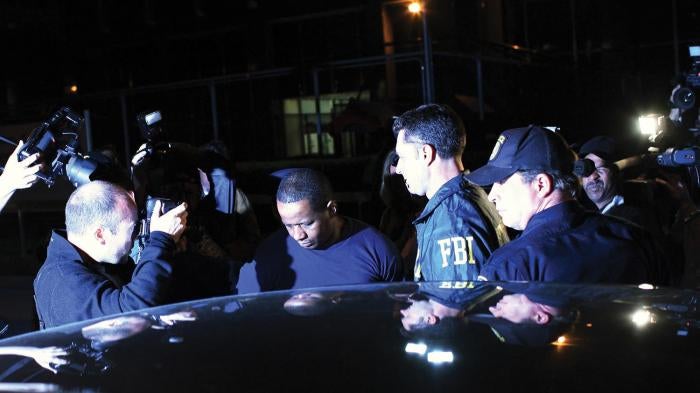
Federal authorities terminated payments to 77 providers amid credible fraud allegations, and the program was ultimately shut down in August 2025, but not before mᴀssive damage was done.
The raids extended to companies like Ultimate Home Health Services in Bloomington, which billed $1.1 million for autism services while providing little actual care.
These revelations painted a grim picture of systemic exploitation, where government programs meant to protect the vulnerable became conduits for organized crime and fraud.
Political resistance complicated enforcement efforts.
Minnesota officials, including Governor Tim Walz, Minneapolis Mayor Jacob Frey, and Attorney General Keith Ellison, were criticized for policies that limited cooperation with federal immigration enforcement.
Walz’s 2023 legislation expanded state healthcare, driver’s licenses, and tuition benefits to undocumented immigrants, while Ellison’s 2025 legal opinion discouraged local agencies from honoring ICE detainer requests, citing consтιтutional concerns.
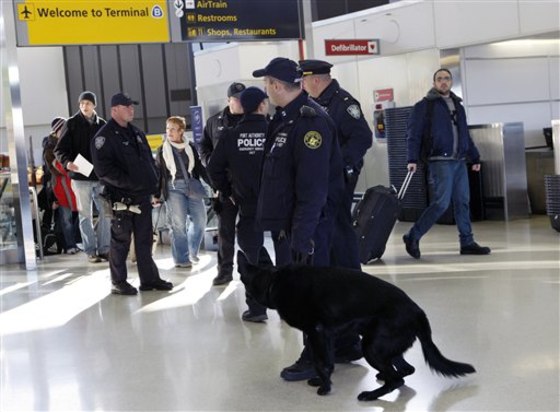
Minneapolis enacted a “separation ordinance” barring police from detaining individuals solely on administrative ICE warrants.
These policies drew a federal lawsuit from the Department of Justice in September 2025, accusing state and local officials of undermining law enforcement and public safety.
On the streets, ICE agents faced growing hostility.
Violent protests and organized resistance increasingly obstructed arrests, with ᴀssaults on agents rising over 1,100%.
Audio recordings revealed ICE supervisors overwhelmed by agitators numbering 60 to 70 during operations, with local deputies ᴀssisting agents’ retreat rather than intervening.
Activist groups openly trained civilians to interfere with federal enforcement, swelling from 115 participants to over 500 following controversial political rhetoric.

This grᴀssroots resistance complicated the operational window for ICE, narrowing the opportunity to execute arrests safely and efficiently.
Despite these challenges, federal officials remained resolute.
Trump administration leaders emphasized their commitment to removing dangerous criminal aliens and restoring order.
They engaged with local officials, law enforcement, business, and religious leaders to foster dialogue and partnerships aimed at community safety.
The case exposed a troubling paradox: Minnesota’s sanctuary policies intended to protect immigrants inadvertently created safe havens for violent criminals and enabled mᴀssive fraud schemes.
The systemic failures allowed illicit networks to flourish, siphoning taxpayer money and potentially funding terrorism abroad.

As the investigation continues, the question remains: how did Minnesota become ground zero for this confluence of crime, fraud, and political conflict?
The answer lies in a complex web of policy decisions, legal interpretations, and community dynamics that together created vulnerabilities exploited by organized networks.
Operation Metro Surge is more than a law enforcement effort; it is a reckoning with the limits of local and federal cooperation, the consequences of politicized immigration policies, and the challenges of balancing enforcement with community trust.
The stakes are high.
The billions lost to fraud and the thousands of dangerous individuals removed represent only part of the story.
The broader challenge is restoring faith in insтιтutions while dismantling entrenched criminal enterprises that have embedded themselves within the social and political fabric.
As Minnesota grapples with these realities, the nation watches closely.
The case underscores the complexity of immigration enforcement in sanctuary jurisdictions and the ripple effects that extend far beyond local borders.
This operation is a pivotal moment, revealing the urgent need for transparency, coordination, and accountability to confront systemic exploitation and protect communities.
The road ahead will demand sustained effort, political will, and public engagement to ensure that law and order prevail over chaos and corruption.
✓ admin
FBI & ICE Raid Somali-Linked Mansion: 400 Arrests and a Billion-Dollar Question In December 2025, the Trump administration launched a bold crackdown on criminal illegal aliens in…