😱 From ‘The Godfather’ to Personal Demons: Robert Duvall’s Struggle with His Most Challenging Character! 😱

Robert Duvall: The Emotional Role That Still Haunts Him Today
In the realm of Hollywood, few names carry as much weight as Robert Duvall.
The legendary actor, known for his powerful performances in films like “The Godfather” and “Apocalypse Now,” has had a career spanning over six decades.
However, among all the roles he has portrayed, one stands out as particularly haunting, a character that has left an indelible mark on his soul.
This role is not just a performance; it is a reflection of his past, his family, and the very essence of who he is.
To understand why this role continues to grip him even decades later, we must delve into the journey that led Duvall to this life-altering moment.

Born on January 5, 1931, in San Diego, California, Robert Seldon Duvall came from a family with starkly contrasting backgrounds.
His mother, Mildred Virginia Hart, was an actress with family ties to Confederate General Robert E. Lee, while his father, William Howard Duvall, was a no-nonsense U.S. Navy Admiral.
This unique upbringing provided Duvall with a blend of creative inspiration and disciplined structure.
Additionally, his family’s religious background, with his father adhering to Methodist beliefs and his mother to Christian Science, created an unusual spiritual environment that shaped his early life.
Due to his father’s military career, the family frequently relocated, living in various places, including Annapolis, Maryland, near the U.S. Naval Academy.
This constant change allowed Duvall to experience diverse cultures and perspectives, which he would later draw upon in his acting career.

After attending several schools, Duvall found his pᴀssion for acting at Principia College in Illinois, where he graduated in 1953 with a degree in drama.
Despite his father’s hopes for him to follow in his footsteps and join the Navy, Duvall had no interest in a military career.
Instead, he acknowledged that acting was the only thing he excelled at, which created tension between him and his father.
Following college, he served in the Army from 1953 to 1954, reaching the rank of Private First Class.
During his service, he discovered an opportunity to act in a play called “Room Service,” which sparked his determination to pursue acting seriously.
In 1955, Duvall moved to New York City and trained under Sanford Meisner at the Neighborhood Playhouse, using the G.I. Bill to fund his education.

These were challenging years as he worked odd jobs to make ends meet, sharing an apartment with fellow aspiring actors like Dustin Hoffman and Gene Hackman.
Duvall’s big break came unexpectedly when playwright Arthur Miller saw him perform in “A View from the Bridge” at the Gateway Theater.
Miller’s admiration opened doors for Duvall, leading to his first significant role in the TV series “Naked City.”
His film debut occurred in 1962 with “To Kill a Mockingbird,” where he portrayed Boo Radley in a haunting performance that left a lasting impression despite his limited screen time.
The film’s success, grossing $13.1 million on a modest budget, marked the beginning of Duvall’s ascent in Hollywood.
Throughout the 1960s, Duvall continued to build his career in television while taking on supporting roles in films such as “Bullitt” and “True Grit.”

However, it was his role as Tom Hagen in “The Godfather” (1972) that truly transformed his career.
This character, the adopted son and consigliere of the Corleone family, earned Duvall his first Academy Award nomination for Best Supporting Actor.
While filming, Duvall sensed they were creating something extraordinary—a feeling he would only experience a few times in his career.
Despite early doubts from the studio, “The Godfather” became a mᴀssive success, propelling Duvall into the spotlight and opening new opportunities.
Duvall’s unforgettable portrayal of Lieutenant Colonel Bill Kilgore in “Apocalypse Now” (1979) further solidified his status as a Hollywood legend.
His iconic line, “I love the smell of napalm in the morning,” was inspired by real-life military officers he had observed.

For this role, Duvall immersed himself in the character, even insisting on portraying him in a way that created friction with the director, Francis Ford Coppola.
However, his dedication paid off, earning him a Golden Globe and a BAFTA award.
One of the most defining roles of Duvall’s career came in “The Great Santini” (1979), where he played Bull Meechum, a character based on real Marine Officer Colonel Donald Conroy.
The film explored the complexities of military family life, and Duvall’s performance was so powerful that it garnered him an Academy Award nomination for Best Actor.
However, portraying Bull Meechum took a toll on Duvall, as it forced him to confront his own upbringing and the strict military mindset of his father.
The emotional weight of the role lingered long after filming, making it difficult for Duvall to shake off the character.
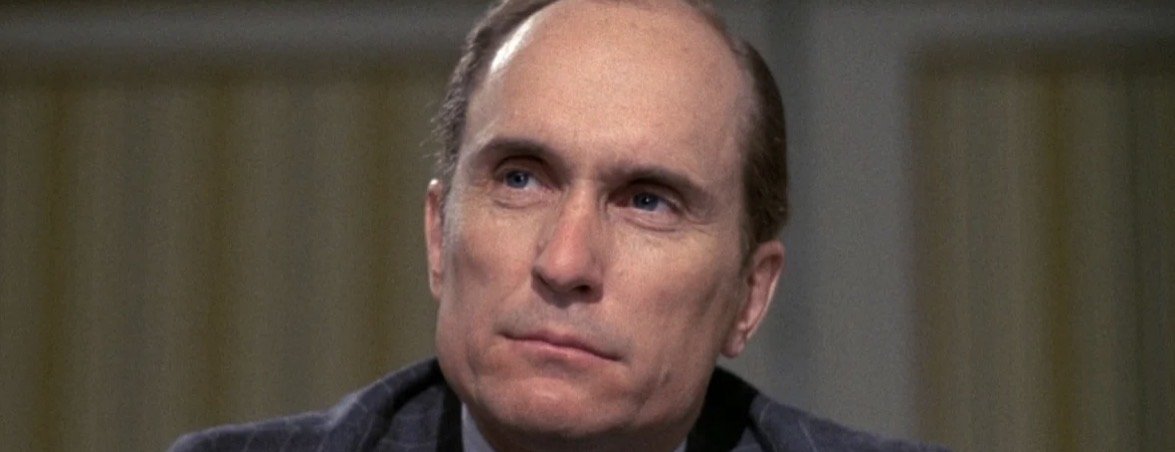
The basketball scene, where Bull Meechum repeatedly hits his son with a basketball while mocking him, was particularly challenging for Duvall to execute.
This scene mirrored real-life events between Colonel Conroy and his son, Pat Conroy, who was present during filming.
The authenticity of the moment struck a chord with Duvall, leaving him haunted by the echoes of his own father’s strictness.
The film resonated deeply with audiences, especially those from military families who saw their struggles reflected in the story.
Duvall often encountered fans who shared their emotional experiences, highlighting the film’s profound impact on their lives.
Colonel Conroy’s acceptance of the film’s portrayal, even signing copies of his son’s book as “The Great Santini,” added another layer of complexity for Duvall.

Seeing the real-life figure embrace the harsh character he had brought to life was both strange and unsettling for the actor.
Despite the accolades and recognition he received throughout his career, Duvall’s personal life has also been marked by significant relationships.
He has been married four times but has no children.
His first marriage to Barbara Benjamin lasted from 1964 to 1975, followed by a brief marriage to Gail Youngs from 1982 to 1986.
His third marriage to dance instructor Sharon Broy lasted from 1991 to 1996, while his fourth and current marriage to Luciana Pedraza began in 2005 when Duvall was 74 years old.
Despite these marriages, Duvall’s lack of children has made him one of Hollywood’s notable childless actors, a topic he has addressed openly in interviews.

In a moment of vulnerability, he acknowledged his struggle with infertility, stating, “I guess I’m shooting blanks.”
This honesty shed light on a topic often avoided in the industry, bringing attention to male infertility and making discussions about it less taboo.
Later in life, Duvall developed a pᴀssion for Argentine tango, which became a central part of his idenтιтy after meeting his wife in Argentina.
He transformed his 360-acre farm in Virginia into a unique estate featuring a tango salon, where they host gatherings and cultural events.
Duvall and Luciana dance together regularly, using their love of tango to support charitable causes, including the Robert Duvall Children’s Fund, which aids families in Northern Argentina.
This philanthropic work has had a significant impact, helping to rebuild schools and homes for those in need.
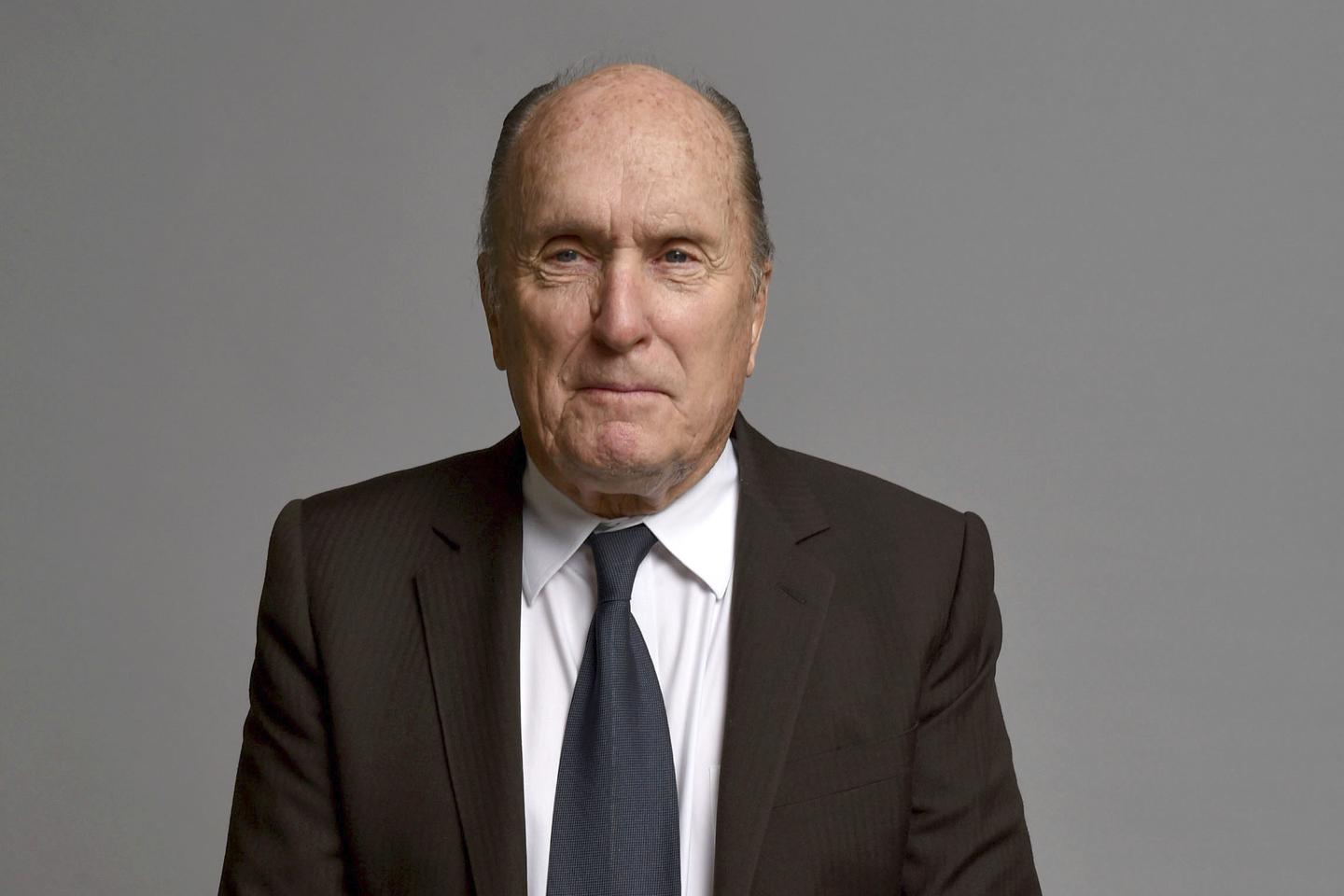
Returning to his acting career, Duvall won the Academy Award for Best Actor for his role in “Tender Mercies” (1984), making him the oldest winner in that category at the time.
His portrayal of Max Sledge, a washed-up country singer, showcased his dedication to authenticity.
To prepare for the role, Duvall immersed himself in Texas culture, traveling extensively to capture the essence of his character.
Despite the challenges faced during filming, “Tender Mercies” became a critical success, earning five Oscar nominations.
In 1997, Duvall directed and starred in “The Apostle,” a project he poured his heart into over many years.
Despite initial setbacks in securing funding, Duvall’s determination led him to invest his own money to bring the film to life.
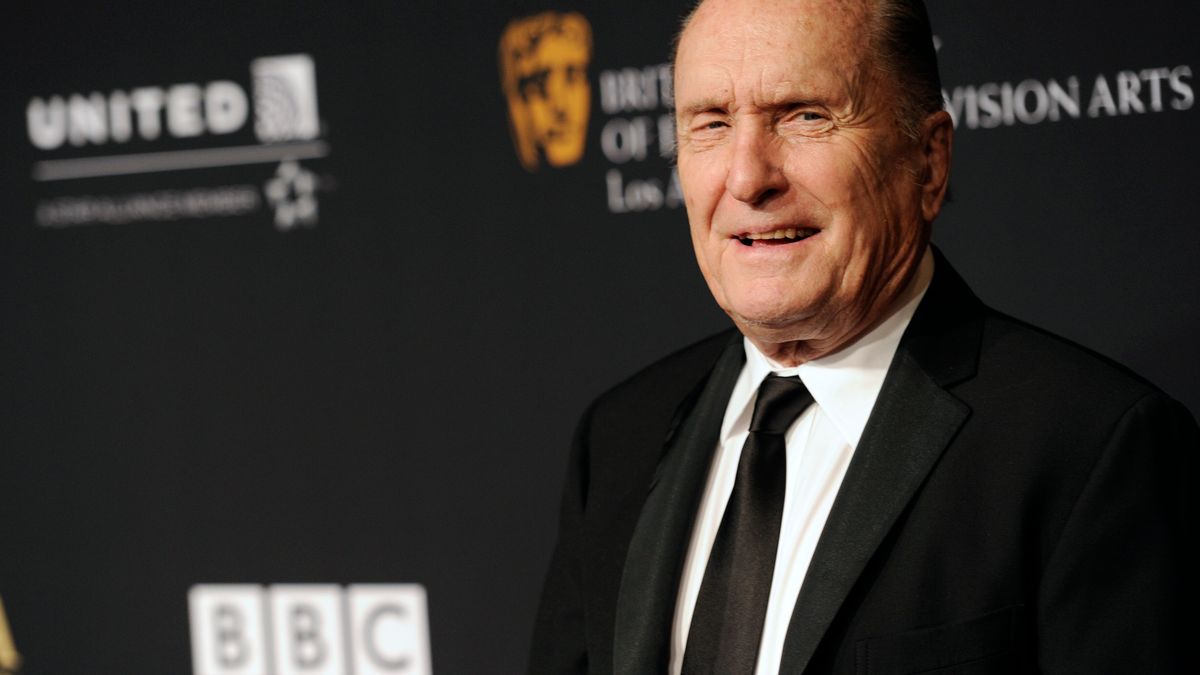
The film received critical acclaim and earned him a third Oscar nomination for Best Actor, solidifying his status as a multifaceted talent in the industry.
Even in his 90s, Duvall continues to impress audiences with his performances in recent films like “The Pale Blue Eye” (2022) and “12 Mighty Orphans” (2021).
His enduring dedication to his craft has kept him relevant in Hollywood for decades, proving that age is no barrier to excellence.
Duvall’s influence extends beyond acting; he has inspired countless actors with his commitment to authenticity and integrity.
He is recognized in the Guinness Book of World Records as the most versatile actor in the world, a testament to his remarkable career spanning eight decades.
His refusal to participate in “The Godfather Part III” due to salary disparities with Al Pacino exemplifies his unwavering principles in an industry often driven by commercial interests.
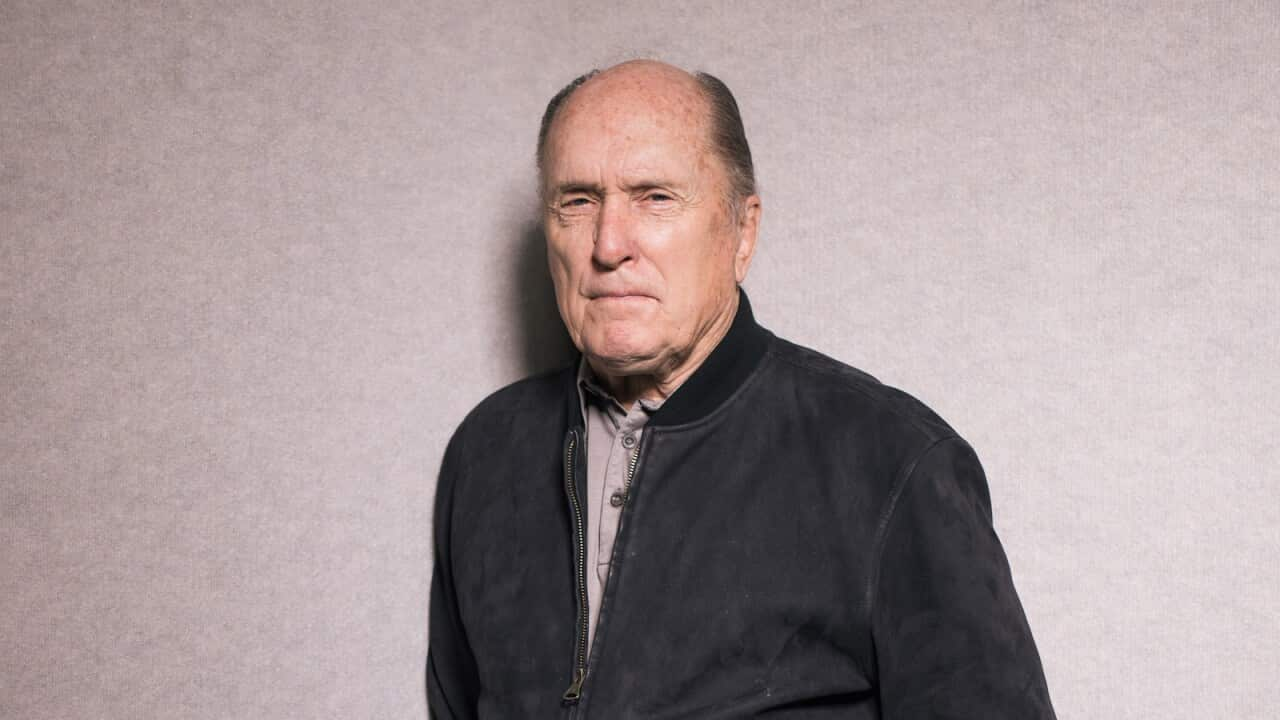
Robert Duvall’s political views have also shaped his public persona, as he has been an outspoken supporter of various Republican candidates over the years.
However, in 2014, he announced his decision to become an independent, reflecting his evolving perspective on politics.
Beyond his career, Duvall has been actively involved in philanthropy, co-founding the Robert Duvall Children’s Fund to support families in need.
His advocacy for various causes, including environmental preservation and women’s rights, demonstrates his commitment to making a difference in the world.
As Duvall continues to navigate the complexities of life and Hollywood, one thing remains clear: the emotional weight of his most challenging role, Bull Meechum, will likely stay with him forever.
This character not only shaped his career but also forced him to confront his own past, leaving a lasting impression on both his life and the lives of those who connected with the story.
In a world where many actors come and go, Robert Duvall stands as a testament to the power of authenticity, resilience, and the enduring impact of storytelling.
✓ admin
Robert Duvall: The Emotional Role That Still Haunts Him Today In the realm of Hollywood, few names carry as much weight as Robert Duvall. The legendary actor,…