Barbara Walters Tried to HUMILIATE Dolly Parton…It Backfired Spectacularly

In 1977, already famous but still years away from her disco crossover and Hollywood career, Dolly Parton sat down with Barbara Walters for an interview that has aged into something close to a case study in composure under condescension.
Walters opened by pressing Parton on her rural roots, at one point asking directly whether she would have been called a “hillbilly” back home.
Parton’s response was immediate and good-humored: “If you had of, it would have been something very natural, but I would have probably kicked your shins or something.”
She went on to describe the people she grew up around not as a punchline but with real pride — “very proud people, people with a lot of class.
It was country class, but it was a great deal of class.” She added that while her family wasn’t formally educated, they possessed real intelligence: “good common sense, horse sense we called it.”
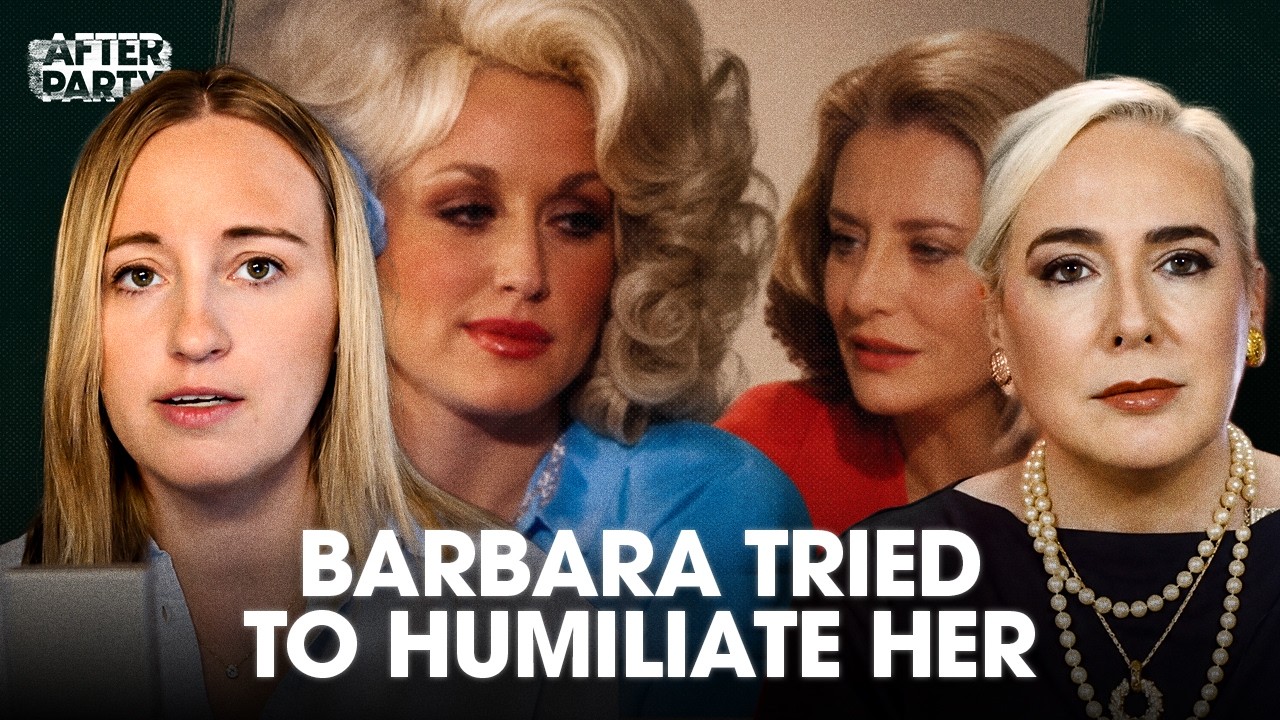
The interview’s most quoted stretch came when Walters pushed further, telling Parton she was beautiful enough that she didn’t need the wigs, the extreme clothes, the exaggerated look.
“You don’t have to look like this,” Walters said. Parton’s answer laid out, in plain terms, a philosophy she’d clearly already fully worked out: “It’s certainly a choice.
I don’t like to be like everybody else. I’ve often made this statement that I would never stoop so low as to be fashionable.”
She explained the strategy behind it directly — get people’s attention with the shock of the appearance first, and once they got past that, they’d see there was something underneath worth appreciating.
“I’m very real where it counts,” she said, “and that’s inside.” When Walters asked whether she ever felt like people were making fun of her, Parton didn’t deny it.

“I know they make fun of me,” she said. “But actually, all these years, the people have thought the joke was on me, but it’s actually been on the public.
I know exactly what I’m doing, and I can change it at any time.” What makes the exchange notable, watched back now, is less what Walters asked than how completely Parton refused to be rattled by it.
She never got defensive, never postured, never let the interview’s condescending framing land. She simply restated her own terms, calmly, every time — an approach commentators discussing the clip decades later have described as Parton “elegantly flipping the table without ever losing her cool.”
That same instinct for control extended to how she handled criticism throughout her career, not just from interviewers but from her own industry.
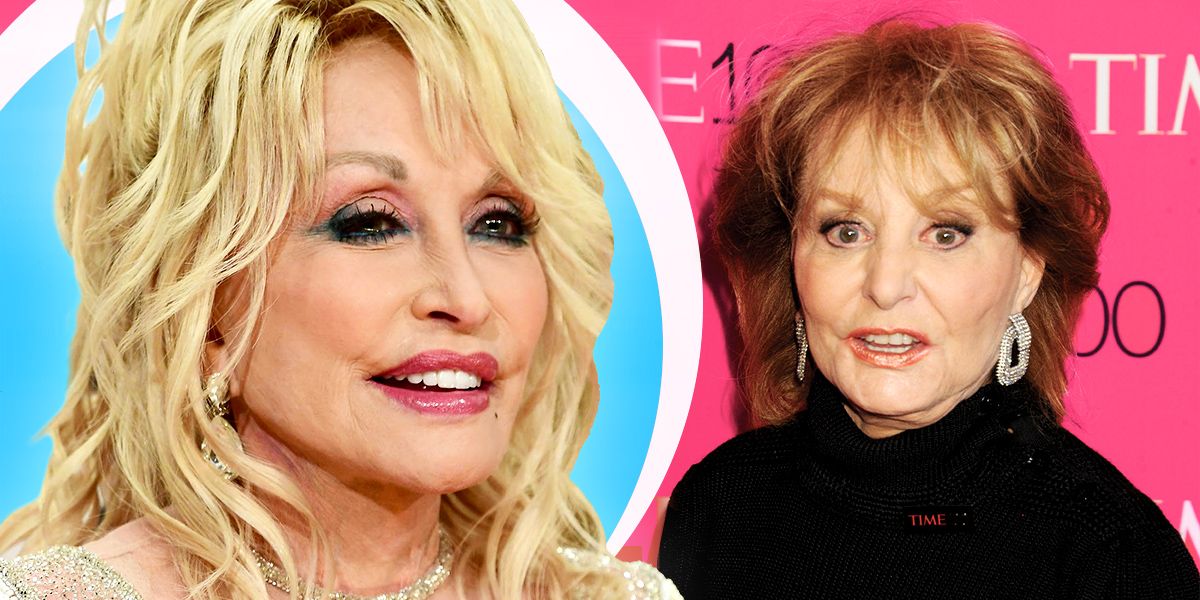
When Parton pursued a pop and disco crossover in the late 1970s, she faced real backlash from parts of Nashville’s country establishment.
In a 1978 interview that resurfaced years later, she was refreshingly blunt about her reasoning, rather than dressing it up as artistic evolution: she’d hit a ceiling doing well in country music alone, and crossing over was, in her words, a straightforward business decision aimed at making more money and reaching more people.
Despite decades in the public eye as a singer-songwriter with an enormous, candid catalog of personal songwriting, Parton never became a tabloid fixture in the way many of her contemporaries did — a distinction that likely contributed to her broad, durable likability across audiences who didn’t necessarily agree on much else.
A widely shared anecdote from the set of Steel Magnolias, recounted by screenwriter Robert Harling, captures the same quality from a different angle.
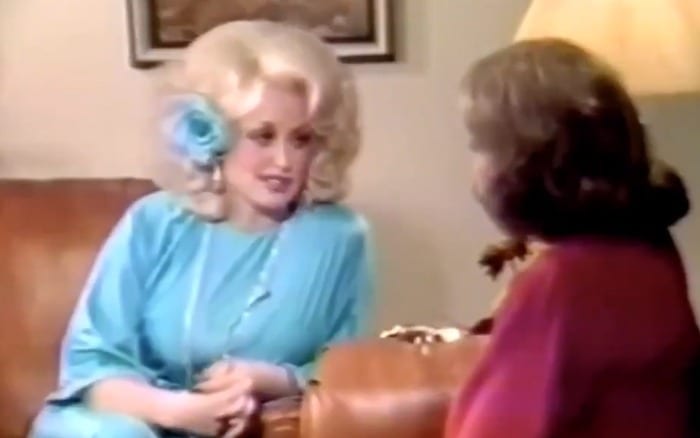
Filming a Christmas scene in the middle of a sweltering August, with the cast in heavy winter costumes and constant delays, Julia Roberts reportedly turned to Parton — sitting calmly on a porch swing in a white cashmere sweater — and asked why she never complained.
Parton’s answer, delivered serenely: “When I was young and had nothing, I wanted to be rich and famous, and now I am.
So I’m not going to complain about anything.” It’s a good line on its own, but it undersells the scale of what she was actually describing.
She grew up the fourth of twelve children in a household so poor her father couldn’t read or write, in a cabin now replicated at Dollywood specifically to show visitors just how little the family had.
That contrast — the discomfort she’d built a life exempt from, weighed against the discomfort she’d actually survived as a child — helps explain why her persona, as deliberately constructed as it was, never read as hollow.
She wasn’t performing graтιтude. She’d simply already lived through worse than a H๏τ porch in a wool sweater, and she knew it.