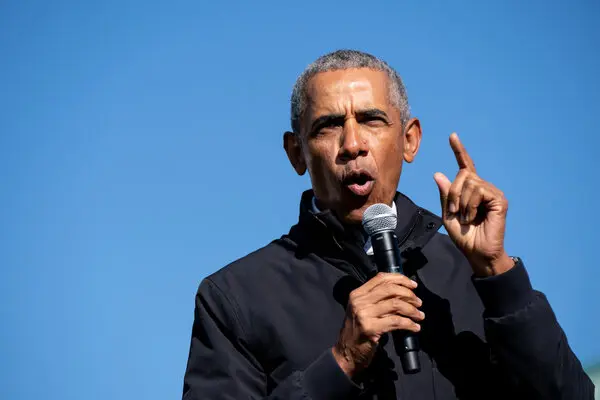

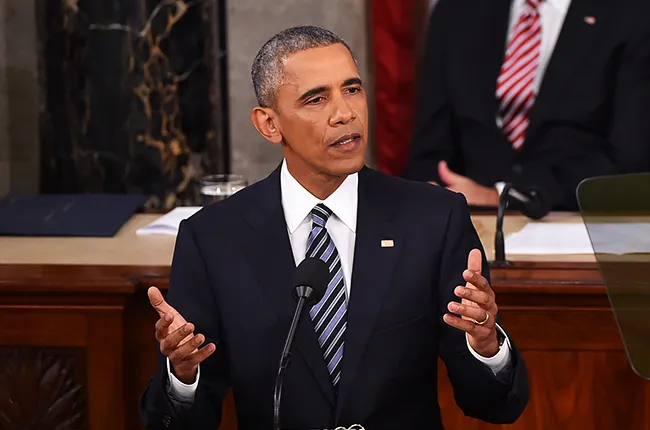
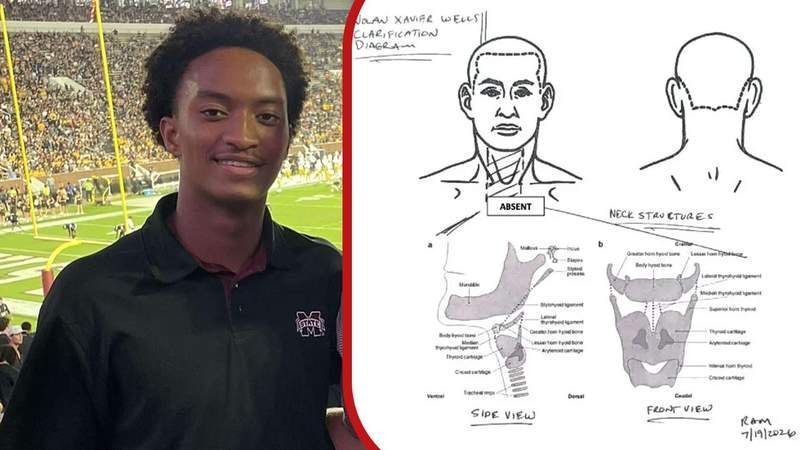
Obama argued that cases involving young Black victims often become national symbols only after families are forced to fight for basic information, turning grief into a public campaign for answers.
In the scenario outlined by the statement, the goal was not to dictate a prosecution.
It was to ensure that every viable lead, interview, device, location record, and conflicting account had been examined before authorities asked a grand jury to decide whether a crime had occurred.
Officials did not immediately announce a change in procedure.
However, the district attorney’s office acknowledged receiving the request and said the evidence review would continue without favoritism, public pressure, or premature conclusions.
The intervention transformed the Wells case from a regional mystery into a national test of transparency, racial trust, and confidence in the justice system.
For the family, it brought renewed attention but not yet the certainty they had sought.
For investigators, the message was equally clear: secrecy may protect a case for a time, but unexplained silence can eventually threaten public faith in the process itself.
The truth must not disappear behind a closed door.